Describe How Energy and Homeostasis Are Related in Living Organisms
Homeostasis is the ability to maintain a relatively stable internal state that persists despite changes in the world outside. Require the sun as a direct source of energy.

Obesity And The Regulation Of Energy Balance Cell
Explore the organization functions and structure of living organisms and learn about the roles of.

. What happens if an organisms homeostasis is disrupted and not restored. Compare sexual and asexual reproduction Venn diagram. 6 How do living things store energy not needed for immediate use.
In photosynthesis the energy is supplied by the sun. The ability of an orgaism to maintain a stable internal environmnt even when the external environment changes. Living organisms are things that respond to stimuli grow reproduce and maintain homeostasis.
A sugar that is a major source of energy for cells. 4 What are the 4 types of energy biology. 2 Which type of energy is used by living organisms.
Light energy is absorbed by cells in plant. The organism becomes ill or may die. Photosynthesis and respiration are alike in that they both.
The water balance in the tissues of the organism stabilizes. If its unsuccessful it results in a disaster or death of the organism. A constant sugar supply for the cells is produced.
Furthermore homeostasis is a self-regulating process that regulates internal variables necessary to sustain life. Homeostasis in an organism or colony of single celled organisms is regulated by secreted proteins and small molecules often functioning as signals. If homeostasis is successful life continues.
Homeostasis is the ability to maintain a relatively stable internal state that persists despite changes in the world outside. Try to think of a nonliving thing that satisfies each characteristic of living things. Successful homeostasis is vital to the survival of any living thing and being able to maintain homeostasis even in adverse conditions is one of the most important evolutionary advantages.
Biological systems utilize free energy and molecular building blocks to grow to reproduce and to maintain dynamic homeostasis. Homeostasis is the capacity of living organisms to maintain their internal stability of bodies as appropriate to the temperature and pH acidity and alkalinity balance through the exchange of matter and energy with the environment. Living organisms must take in energy via food nutrients or sunlight in order to carry out cellular processes.
Growth rates within organs become equal. 5 How energy and homeostasis are related in living organisms. 1 What other forms of energy can organisms use to do work.
One of the most common examples of homeostasis is the regulation of body temperature. All living organisms from plants to. The process by which some organisms are able to capture light energy and use it to make food from carbon dioxide and water.
Why do living organisms need to maintain homeostasis structure compliments function transportation of essential requirements- the circulatory system why do we need oxygen why do we need water why do we need food and comparative mammalian anatomy-rat dissection. This occurs thanks to various systems of metabolic self-regulation that sustain the dynamic balance necessary for the preservation of life. Answer 1 of 2.
How is energy and homeostasis related in living organisms. Homeostasis refers to the ability of an organism or environment to maintain a state of internal balance and physical wellbeing in spite of changes or outside factors. 3 What type of energy is being lost during the organisms life.
The third is described as Living systems store retrieve transmit and respond to information essential to life processes. Homeostasis is any self-regulating process by which an organism tends to maintain stability while adjusting to conditions that are best for its survival. The transport synthesis and breakdown of nutrients and molecules in a cell require the use of energy.
All living things consist of one or more cells. In humans the normal range falls on 37 degrees Celsius or 98. Maintenance of Body Temperature.
All living organisms from plants to puppies to people must regulate their internal environment to process energy and ultimately survive. All living things are made of cells use energy respond to stimuli grow and reproduce and maintain homeostasis. These processes require energy.
In humans abnormal regulation of energy levels ATP concentration and power consumption ATP consumption flux in cells is associated with numerous diseases from cancer to viral infection and immune dysfunction while in. The body maintains homeostasis by controlling a host of variables ranging from body temperature blood. Adenosine triphosphate ATP is the main energy carrier in living organisms critical for metabolism and essential physiological processes.
In order to maintain this the body controls temperature either by producing heat or releasing excess heat. In other words homeostasis is a mechanism that maintains a stable internal environment despite the changes present in the external environment. 7 What is the.
Homeostasis in the cell is maintained by regulation and by the exchange of materials and energy with its. Cells are the basic units of structure and function of living organisms. Cells for example perform a number of important processes.
All biological organisms require energy to survive. In a closed system such as the universe this energy is not consumed but transformed from one form to another. The stability that the organism reaches is rarely around an exact point such as the idealized.
Rolling Out Physical Exercise And Energy Homeostasis Focus On Hypothalamic Circuitries Sciencedirect
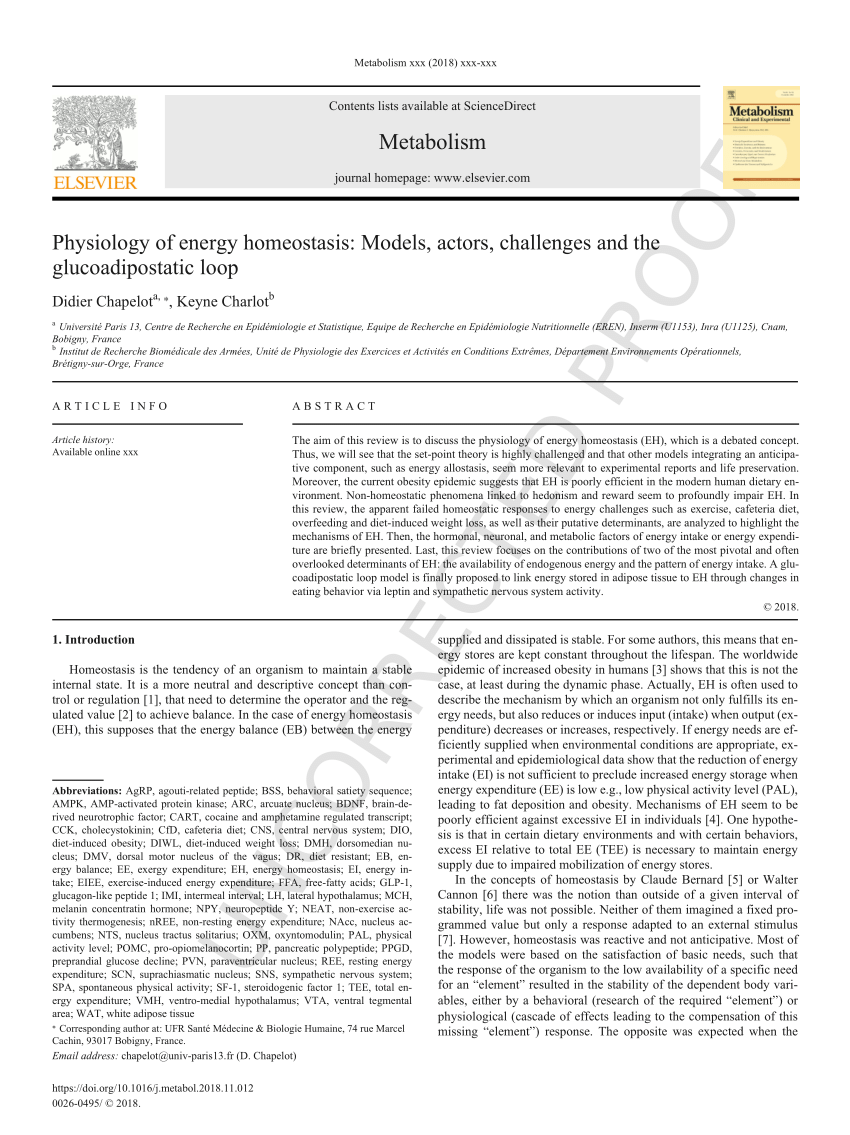
Pdf Physiology Of Energy Homeostasis Models Actors Challenges And The Glucoadipostatic Loop

Doshas Are A Dynamic Energy In The Universe That In Biological Organisms Regulates Homeostasis And Provides The Elements Traditional Medicine Ayurveda Diagram

Amylin And Leptin Co Regulators Of Energy Homeostasis And Neuronal Development Trends In Endocrinology Metabolism

8 Characteristics Of Life Tree Graphic Organizer Characteristics Of Living Things Biology Worksheet Tree Graphic

This Pin Demonstrates The Idea Of Homeostasis By Explaining How Our Body Maintains Calcium Levels Pharmacology Nursing Nursing School Tips Nursing Mnemonics
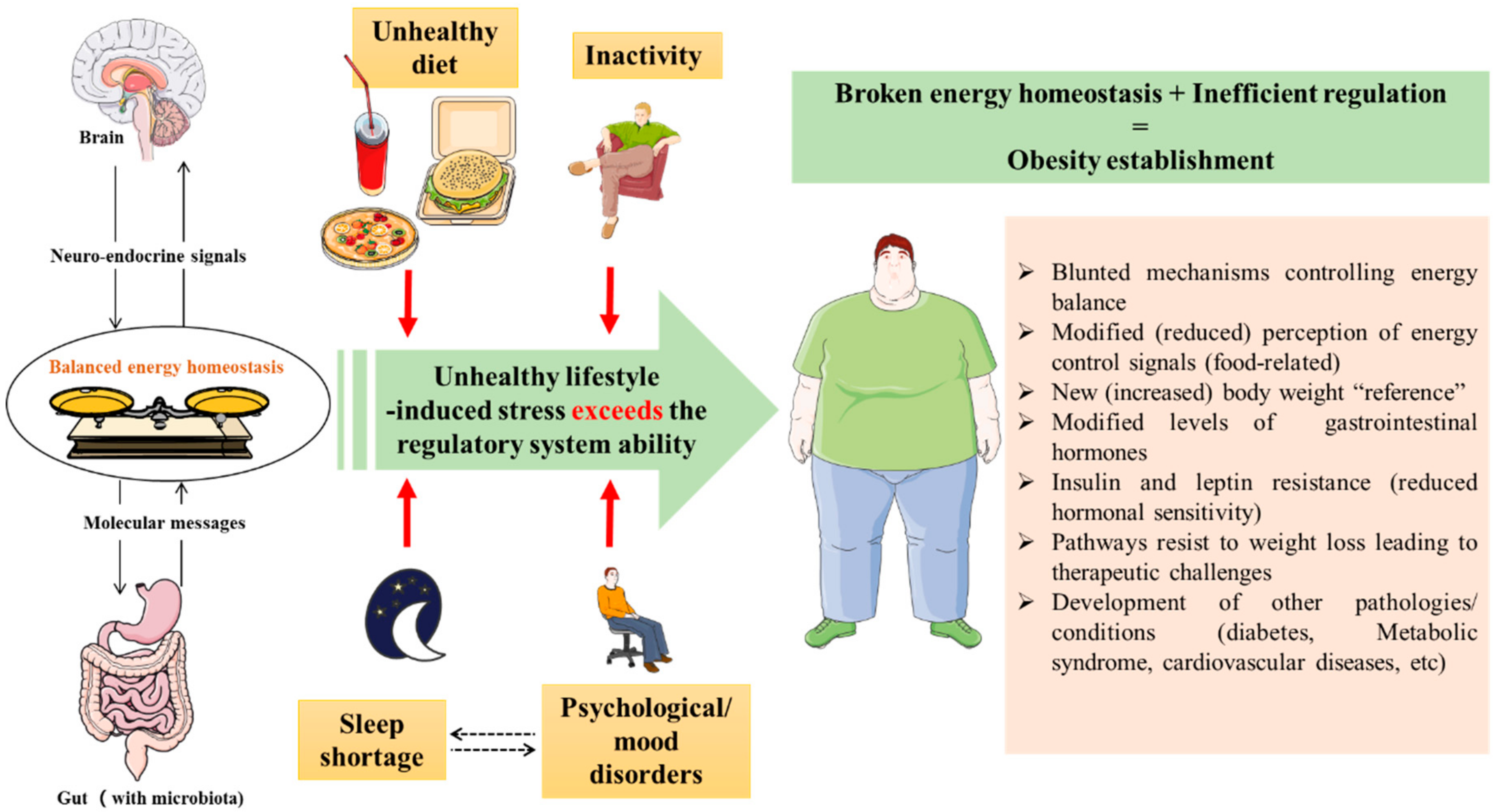
Jcm Free Full Text Broken Energy Homeostasis And Obesity Pathogenesis The Surrounding Concepts Html

Understanding Negative And Positive Feedback In Homeostasis Biology Classroom Nursing Student Tips Nursing School Notes

Understanding The Role Of Energy Homeostasis In Diabetes Alpco
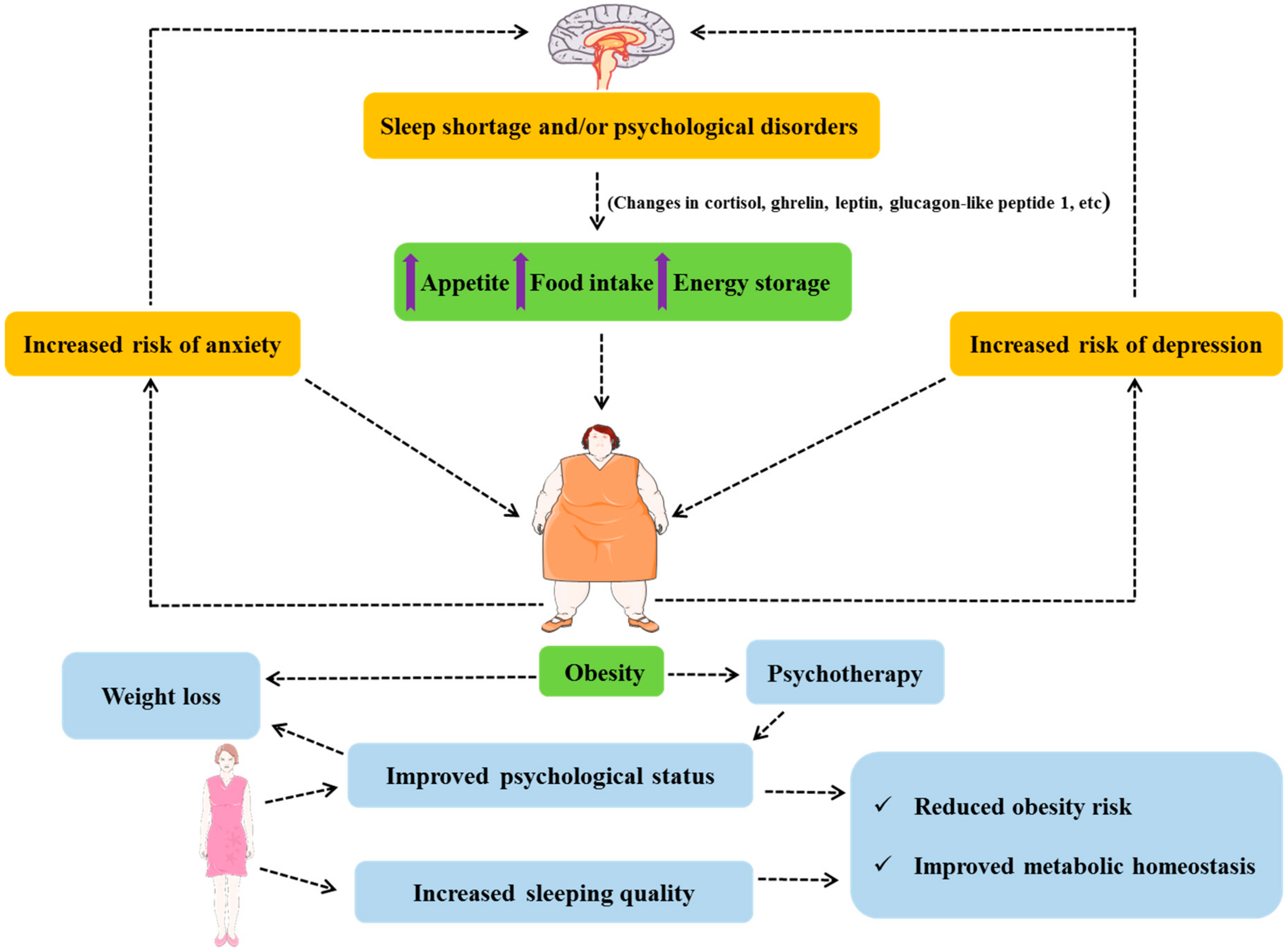
Jcm Free Full Text Broken Energy Homeostasis And Obesity Pathogenesis The Surrounding Concepts Html
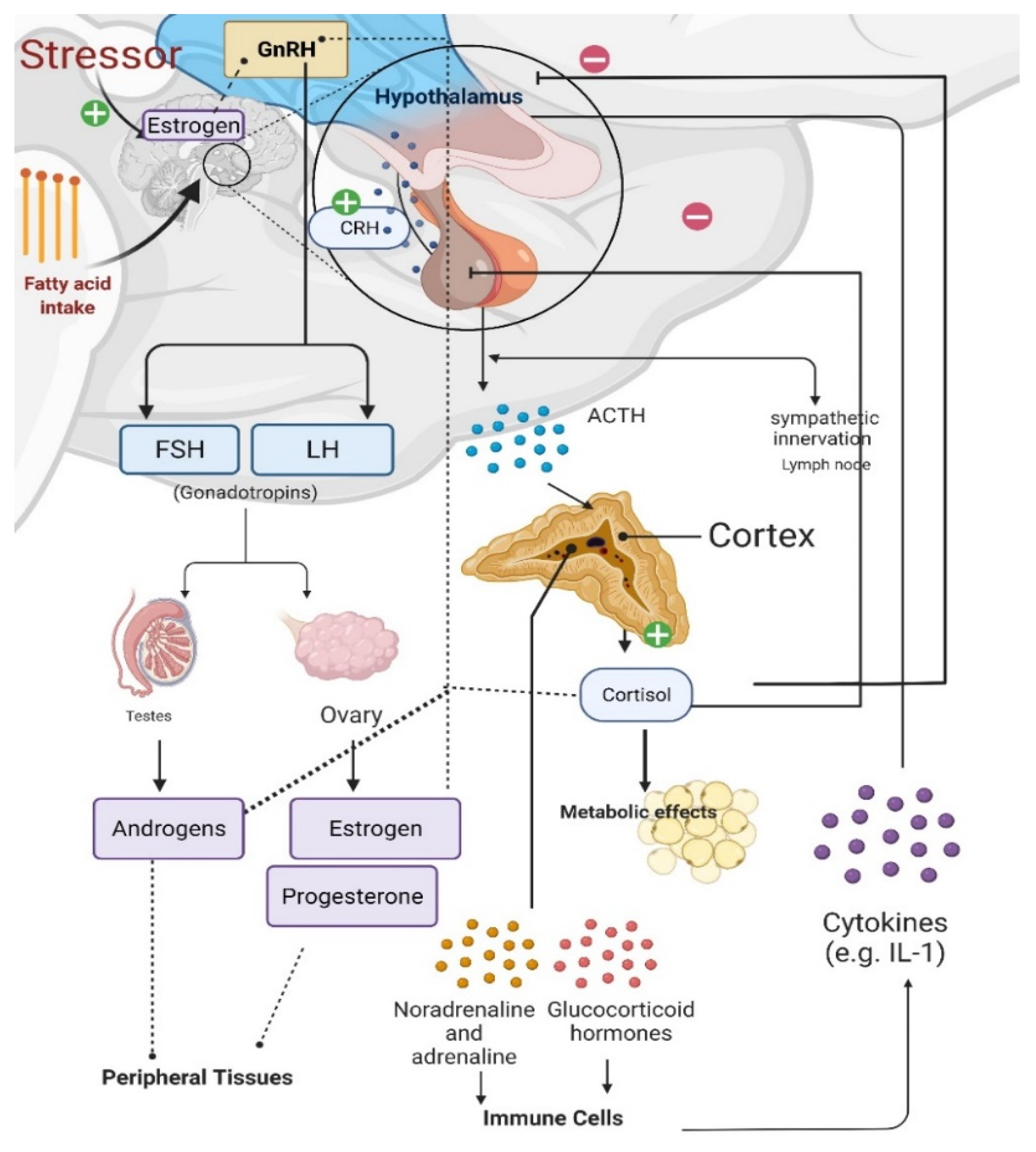
Cells Free Full Text Estrogenic Action In Stress Induced Neuroendocrine Regulation Of Energy Homeostasis Html

Chapter 5 Section 1 Energy And Living Things Tm Blog Photosynthesis Energy Chlorophyll
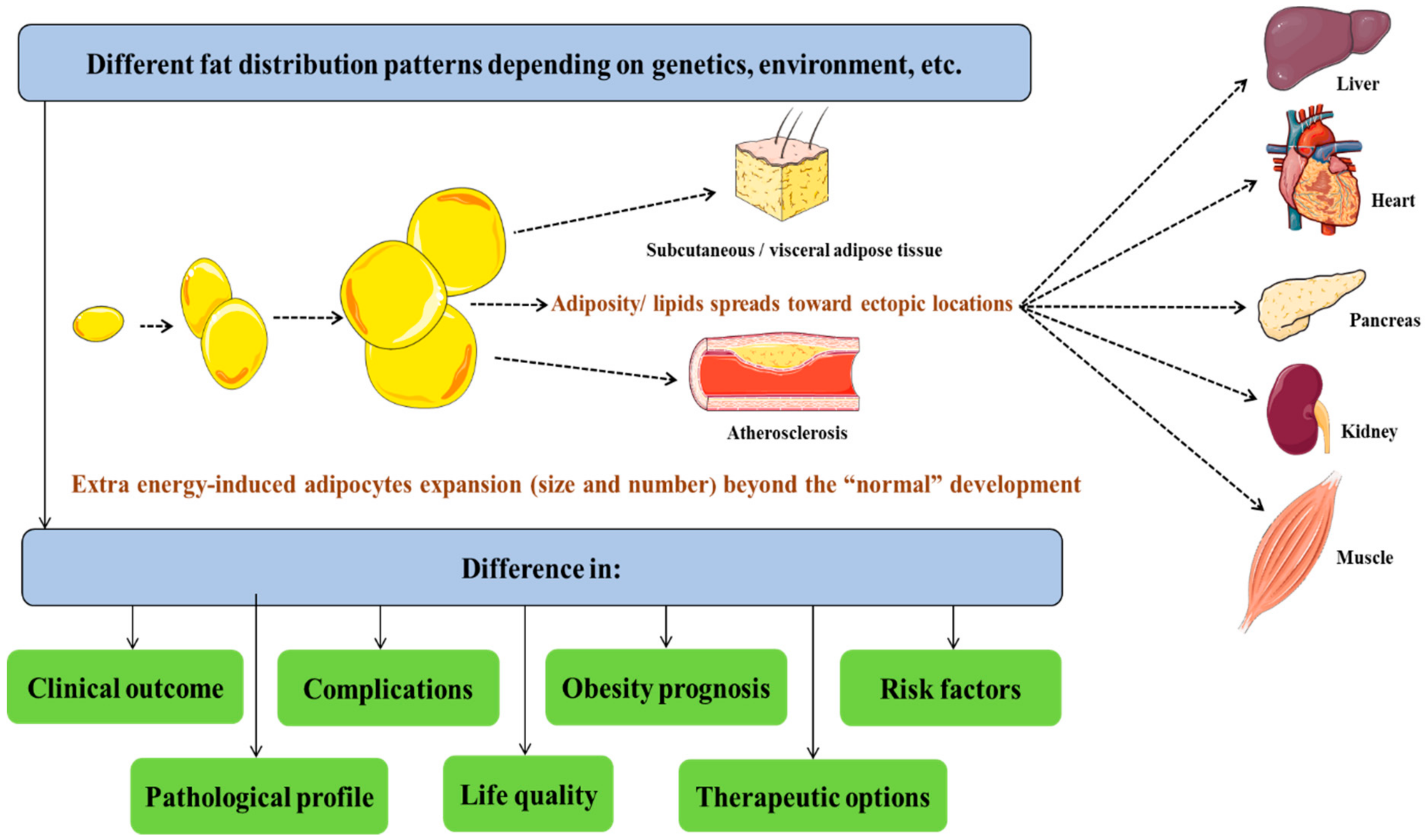
Jcm Free Full Text Broken Energy Homeostasis And Obesity Pathogenesis The Surrounding Concepts Html

Ijms Free Full Text Hypothalamic Ampk As A Mediator Of Hormonal Regulation Of Energy Balance Html

Rolling Out Physical Exercise And Energy Homeostasis Focus On Hypothalamic Circuitries Sciencedirect

Hypothalamic Control Of Hunger And Satiety A Schematic Representation Download Scientific Diagram

Free Activity Investigating Energy Flow In An Ecosystem Energy Flow Ecosystems Energy Transfer

Theory Of Obesity Establishment Despite The Existence Of Mechanisms Download Scientific Diagram

Difference Between Hemostasis And Homeostasis Definition Steps Function Differenc Medical Laboratory Science Basic Anatomy And Physiology Teaching Biology


Comments
Post a Comment